What is Palmitoyl Tripeptide-8?
Palmitoyl Tripeptide-8 is a small synthetic peptide developed by the cosmetic ingredient company Lucas Meyer Cosmetics and sold under the trade name Neutrazen. Unlike most cosmetic peptides, which are modeled on fragments of collagen or extracellular matrix proteins, this one is modeled on a fragment of alpha-melanocyte-stimulating hormone (alpha-MSH), a small signaling molecule the body uses for everything from pigmentation to inflammation control.
The relevant trick is that alpha-MSH has two roughly separate functional regions: one that stimulates pigmentation (not what you want in a calming product) and one that suppresses inflammation (very much what you want). Palmitoyl Tripeptide-8 is engineered to mimic the anti-inflammatory region without the pigment-stimulating one.
The "palmitoyl" prefix means a palmitic acid tail has been attached, helping it cross the skin's lipid layer to reach the cells where it acts.
How does it work?
When your skin is irritated, by UV, by friction, by a strong active, by emotional stress, sensory nerve endings in the skin release neuropeptides that trigger redness, swelling, and the cascade of "reactive" symptoms. Palmitoyl Tripeptide-8 binds to the relevant melanocortin receptors and dampens this signaling, reducing the perceived inflammatory response.
In Lucas Meyer's published research, Neutrazen reduced visible redness in irritation tests, calmed the look of UV-irritated skin, and supported the look of comfortable, reinforced skin alongside ceramide-based barrier ingredients.
It's worth understanding what this peptide is not. It is not a steroid, it doesn't suppress immune function broadly, and it doesn't treat any underlying skin disease. It's a cosmetic ingredient that supports the look of calm, comfortable skin in the way modern barrier-repair products do.
What does the research show?
Supplier-published studies on Neutrazen report visible reductions in irritation markers and self-reported redness in 28-day human trials. The peptide is included in independent reviews of "neurocosmetic" peptides as one of the better-characterized options for reactive skin.
The category as a whole, neuropeptides for skincare, is younger than collagen-signal peptides, so the research base is smaller than for Matrixyl 3000 or GHK-Cu. But Palmitoyl Tripeptide-8 has consistent supportive evidence for the look-of-calm-skin outcomes it's marketed for.
Who is Palmitoyl Tripeptide-8 for?
- Reactive, sensitized, or rosacea-prone skin, flushes easily, dislikes actives, often feels too tight.
- Skin in recovery from strong actives, retinoid uptitration, AHA peels, in-office treatments.
- Skin that's been over-exfoliated, the kind that's lost its glow and started reacting to everything.
- Anyone using strong actives who wants a buffering ingredient that can layer in the same routine.
How to use it
Apply to clean skin morning and/or evening. Palmitoyl Tripeptide-8 layers under or after almost anything. Many routines use it as the buffer, applied before a strong active to pre-calm the skin, or after one to support recovery.
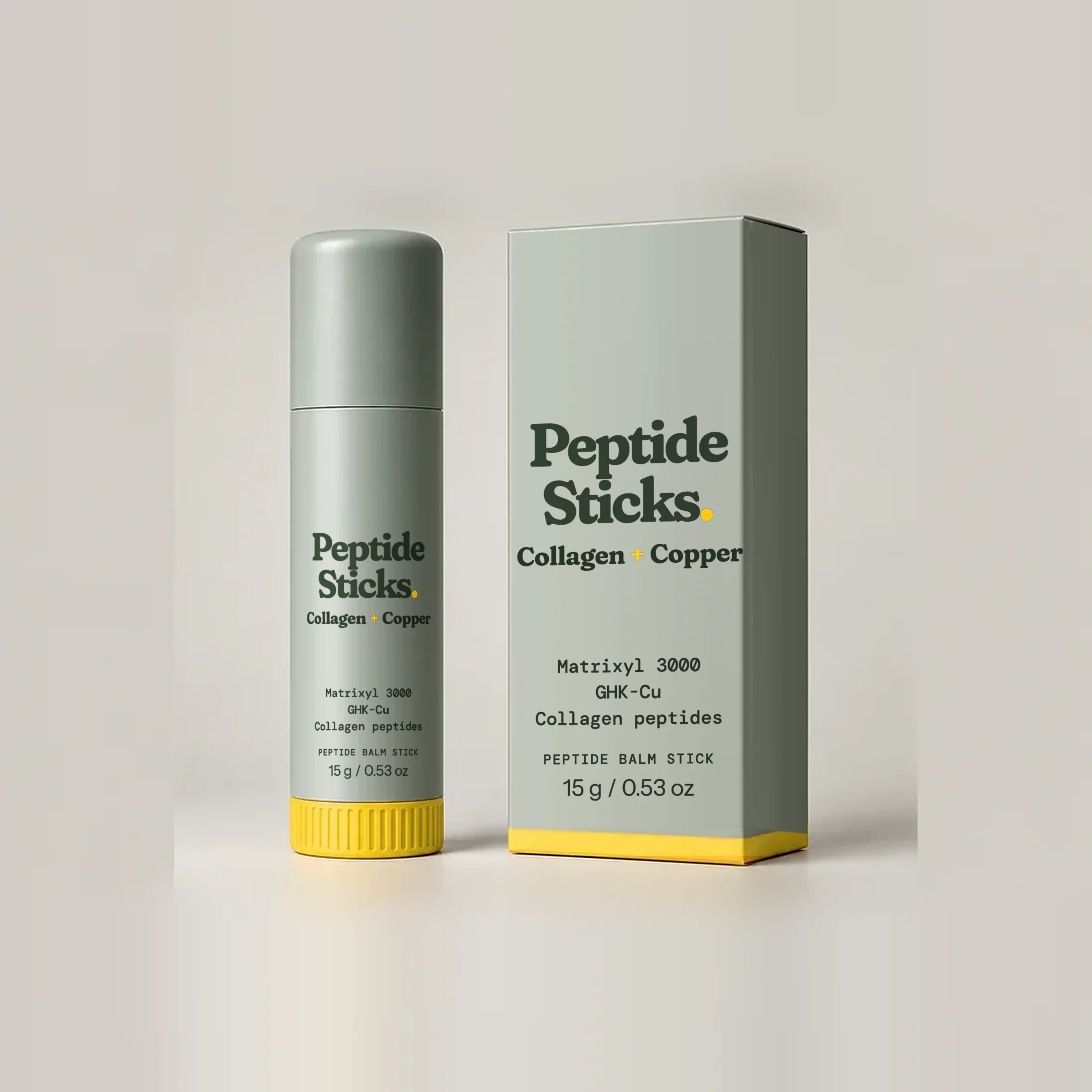
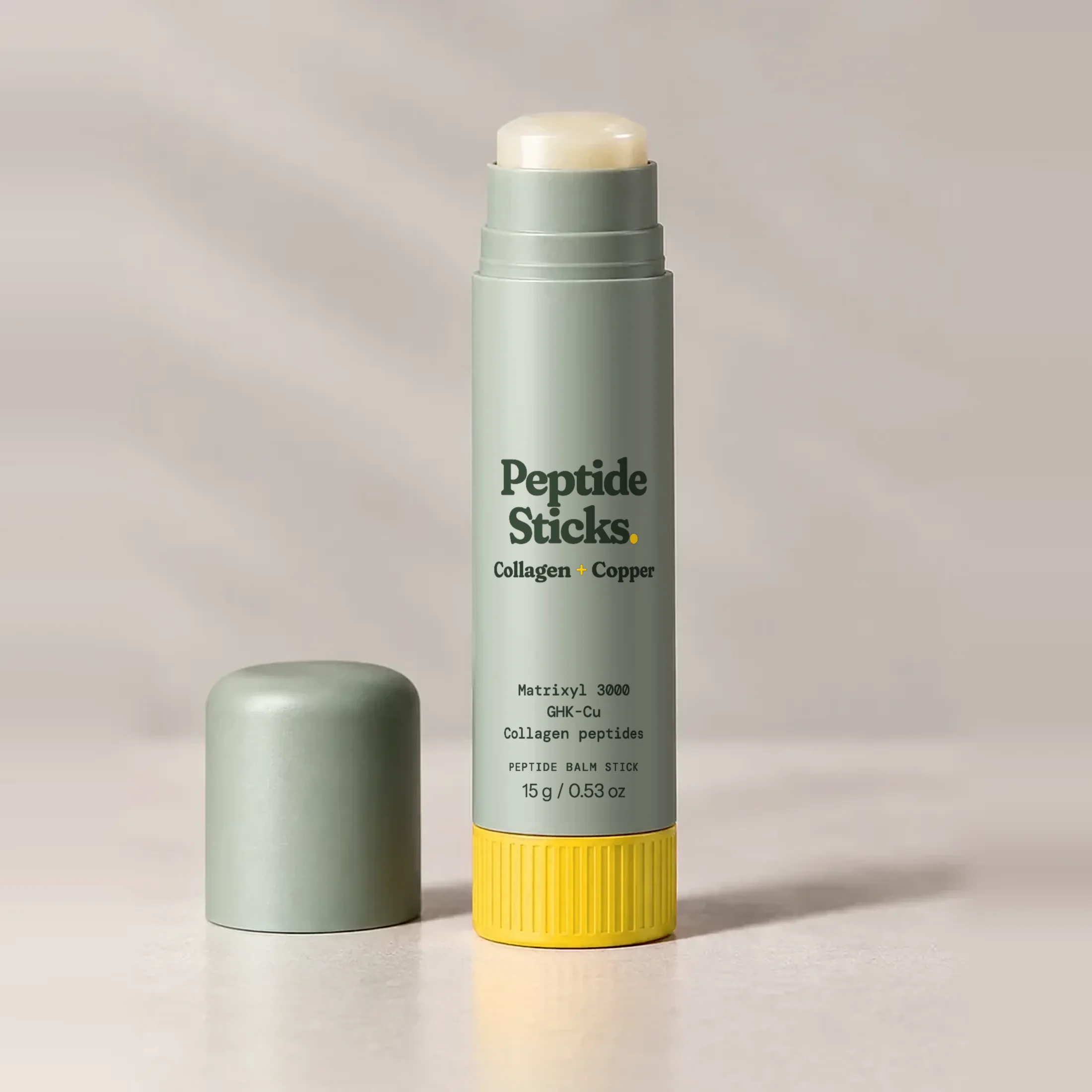
In a stick format, the clear, water free base is itself supportive of a healthy-feeling barrier, and the targeted application makes it easy to apply right where redness or reactivity is showing, cheeks, around the nose, smile lines, without spreading product over the whole face.
Common questions
Can it replace my moisturizer?
No. Think of Palmitoyl Tripeptide-8 as a signaling ingredient that supports comfort, it isn't a full moisturizer or barrier-rebuild product on its own. In formulation it's usually paired with humectants, ceramides, and emollients that do the structural barrier work.
Is it pregnancy-safe?
No published risk; it's not systemically absorbed in meaningful amounts. Most dermatologists consider it pregnancy-friendly. Ask your doctor.
Is it the same as Argireline?
No. Argireline (Acetyl Hexapeptide-8) is a different neuropeptide aimed at reducing the look of expression lines by affecting muscle-contraction signals. Palmitoyl Tripeptide-8 targets inflammation and redness pathways. Totally different jobs.