What is Oligopeptide-68?
Oligopeptide-68 is a small cosmetic peptide developed and sold by the Spanish ingredient supplier Lipotec under the trade name B-White. It's part of the family of "signal" peptides, short amino-acid chains designed to tell skin cells to behave a particular way, and specifically it's designed to nudge melanocytes (the cells that produce melanin) toward producing less pigment.
Unlike hydroquinone, which is a skin-lightening drug regulated by the FDA, oligopeptide-68 is a cosmetic ingredient. It is not a bleaching agent. It doesn't disrupt the melanocytes the way some prescription brighteners can; instead, it interferes with one specific step in the melanin-production cascade.
How does it work?
Melanin production is a multi-step pathway. UV exposure, hormonal shifts, and inflammation all trigger a signaling cascade inside the melanocyte that activates the enzyme tyrosinase, which then converts the amino acid tyrosine into melanin precursors. Oligopeptide-68 has been studied for downregulating that signaling pathway, which results in less new melanin being made.
This is a fundamentally different mechanism from:
- Hydroquinone, which inhibits tyrosinase directly and can be cytotoxic to melanocytes (effective, but not for daily long-term use).
- Niacinamide, which blocks the transfer of completed melanosomes from the melanocyte to surrounding skin cells (works downstream).
- Tranexamic acid, which interferes with the inflammation-driven signal that triggers pigment formation (works upstream).
Stacking peptides with niacinamide and tranexamic acid hits the pigment pathway at three different points, which is why modern brightening formulas almost always combine them.
What does the research show?
Lipotec's supplier studies on B-White report visible reductions in pigment intensity and a more uniform-looking tone in clinical trials of 8-12 weeks. Independent peer-reviewed reviews of brightening peptides, including reviews in Clinical, Cosmetic and Investigational Dermatology, have included oligopeptide-style ingredients in the "promising but earlier-stage" category compared to gold-standard ingredients like hydroquinone, retinoids, and tranexamic acid.
The most credible expectation is gradual, visible support of more even tone over 2-3 months, especially when stacked with the partner ingredients above and consistent SPF use.
Who is Oligopeptide-68 for?
- Anyone with sun spots, melasma-style patches, or post-acne marks who wants a daily, low-irritation routine.
- People who can't tolerate hydroquinone or who want to maintain results between courses of stronger ingredients.
- Skin that's already using retinol, peptide brighteners are gentle enough to layer with retinol without compounding irritation.
- Pregnancy and nursing, though we recommend asking your doctor, oligopeptide-68 is considered low-risk and is often suggested as an alternative during pregnancy when hydroquinone is off the table.
How to use it
Apply oligopeptide-68 to clean, dry skin morning and/or evening. In the morning, follow with broad-spectrum SPF, without it, the work the peptide is doing will be undone by fresh UV exposure. In the evening, you can layer with retinol on alternate nights or in the same routine with a short wait between steps.
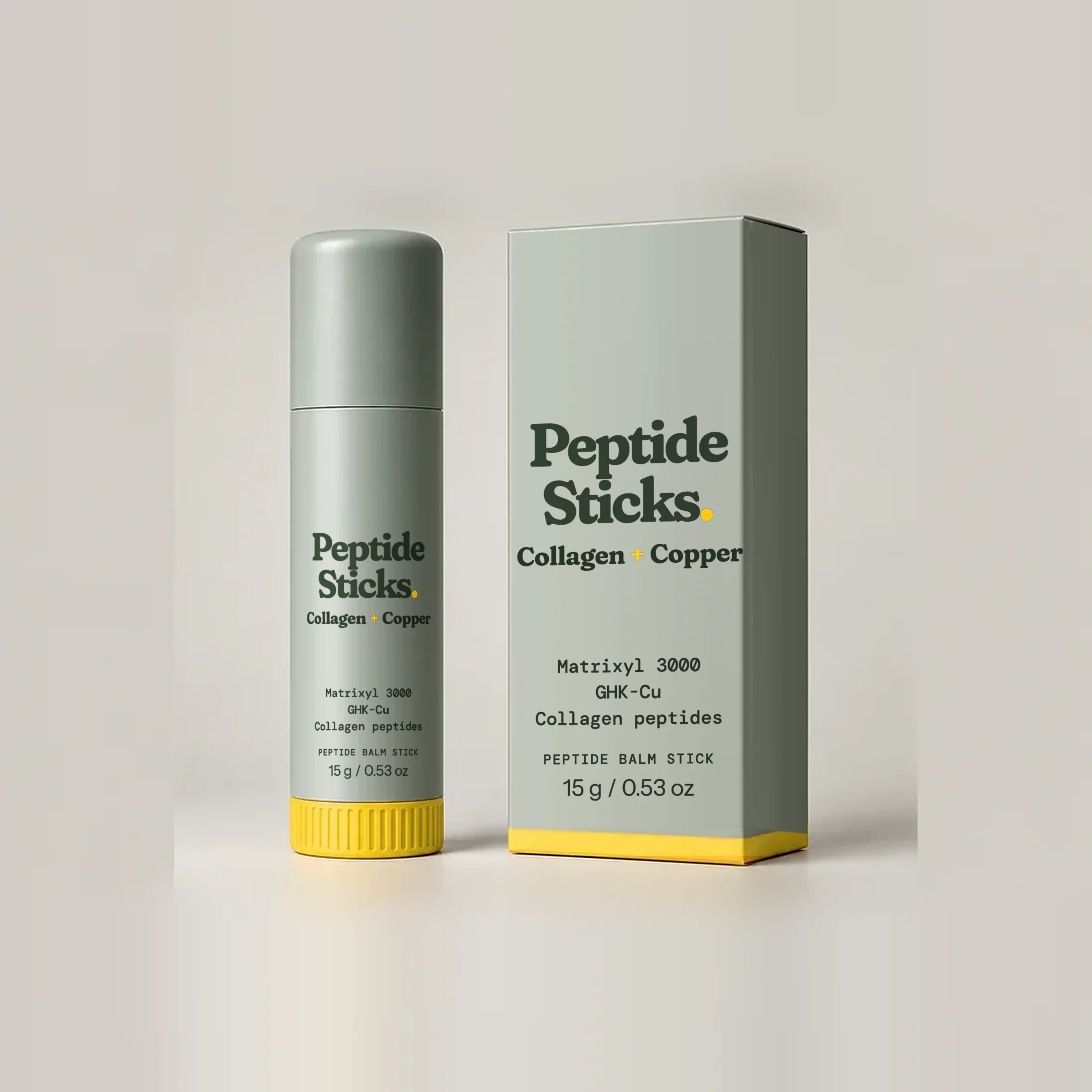
In a stick format, the controlled twist-up dose makes it easy to target the specific spots that need it, a stubborn sun spot on the temple, a post-acne mark on the chin, rather than spreading product over the entire face.
Common questions
Is Oligopeptide-68 stronger than vitamin C?
It's different. Vitamin C is primarily an antioxidant that can also inhibit tyrosinase; oligopeptide-68 works through cell-signaling. Most strong brightening routines use both: vitamin C in the morning for antioxidant protection, peptide in the evening for ongoing pigment-signal support.
Will Oligopeptide-68 lighten my natural skin tone?
No. It doesn't bleach. It supports the look of more even tone by reducing the production of new excess pigment in spots that are over-producing it. Your overall skin tone stays your skin tone.
Can I combine it with retinol?
Yes, peptides layer well with retinol. Use the peptide first (it's the more delicate ingredient), wait a minute, then retinol if you use it.