What pilling actually is
Pilling is product that hasn’t settled onto the skin. When you rub the next layer over it, it balls up into small flakes. Film-forming ingredients such as silicones, polymers and some thickeners make it more likely, and so does a heavy hand.
The three usual causes
- Too much product. Skin can only hold a thin layer. The rest sits on top, waiting to roll.
- Not enough time. A serum that’s still wet gets dragged around by the next layer.
- Formulas that clash. Two strong film formers, or a watery layer under a waxy one, can fight each other.
The right order
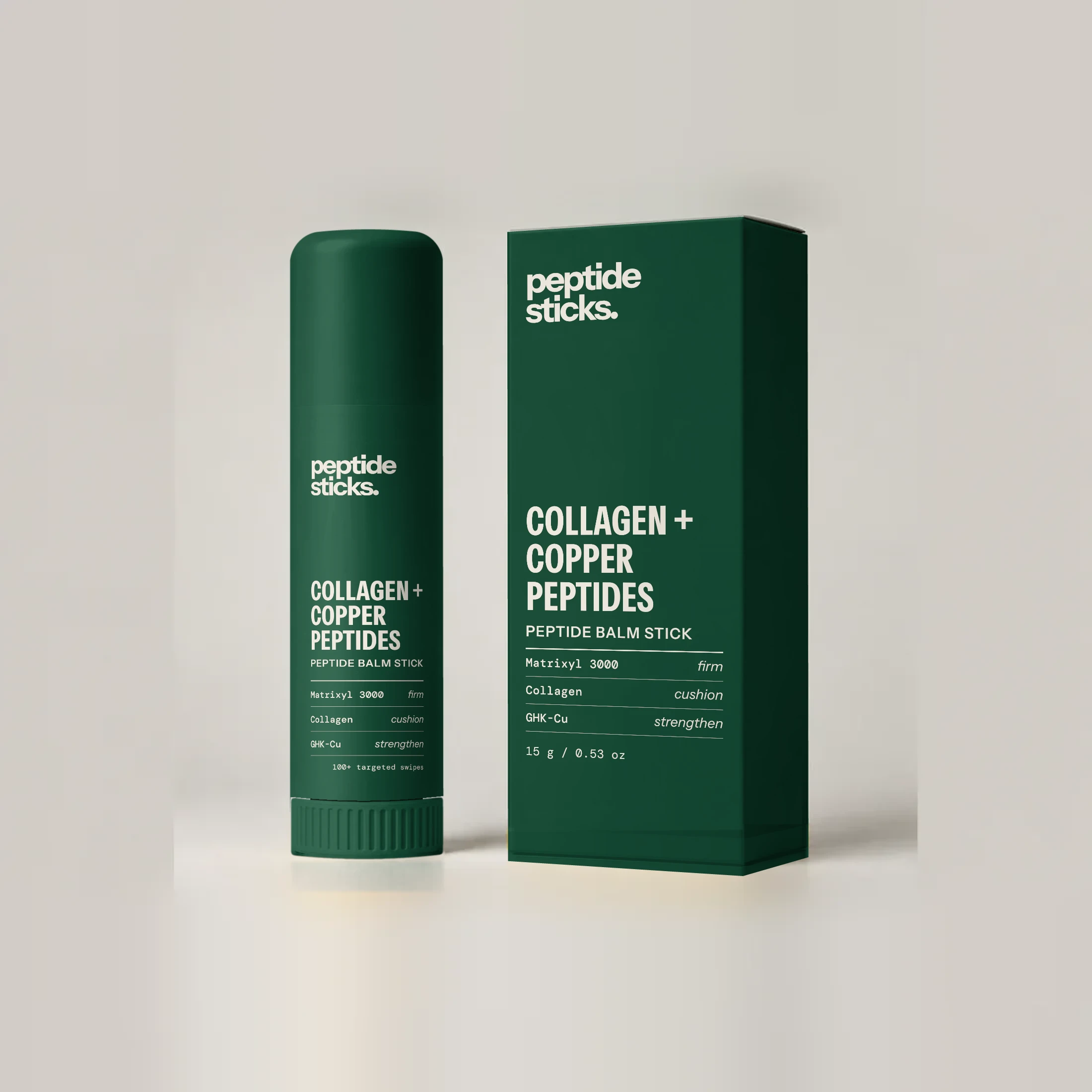
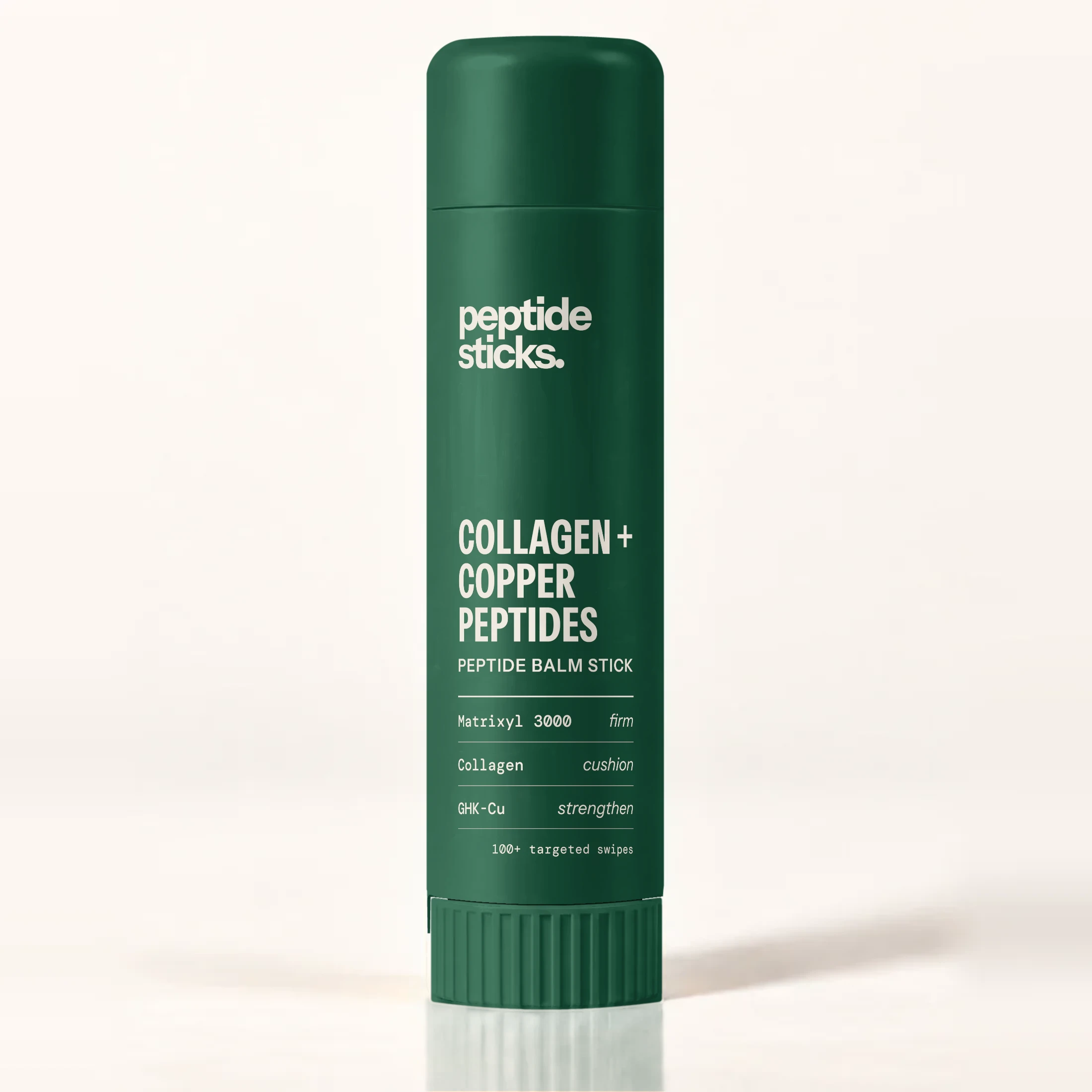
Go from thinnest to thickest. Watery serums first, then a skincare stick, then moisturizer, then sunscreen in the morning. If you use a retinoid or an exfoliating acid, it goes on clean skin before the stick. Our guide to layering a peptide stick has the full morning and night routine.
The no-pill routine
Morning: serum, wait, one swipe of the stick, press, wait a minute, SPF, then makeup.
Night: serum or retinoid, then the stick, then moisturizer.
Under makeup
A light, water-free stick can sit under foundation and help it look smoother over dry spots and smile lines, where makeup tends to settle into creases. Keep the layer thin and let it set before you apply base. On very oily skin, use the stick at night and keep mornings lighter.
Over serum
Let the serum dry down first, about a minute. Then swipe the stick once and press. If you still see pilling, the serum may be the culprit: try fewer drops, or a different serum on stick days. The balm stick vs. serum stick guide explains why finish matters for layering.
The bottom line
Pilling is fixable. Less product, the right order and a short wait solve almost every case. If one pairing still pills, split them up: one in the morning, one at night.