Why firming routines get dropped
- Slow feedback. Weeks of effort before anything visible happens.
- Too many steps. Every extra product is another chance to skip the whole thing.
- Friction. Jars that need clean fingers, droppers that drip, products hidden in a cabinet.
- No way to tell. Without a starting photo, slow change is invisible.
How long things really take
Days: hydration and comfort. About four weeks: smoother texture, as skin turns over. 8 to 12 weeks: the look of firmer skin and softer lines, the window most peptide studies used. Those studies tested the ingredients, not finished products. Our guide Do peptides work? covers the evidence.
Make it smaller
One focused step done daily beats an elaborate routine done twice a week. Start with a peptide step and morning sunscreen. Add moisturizer if you need it. Everything else is optional until the habit sticks.
The minimum routine
Morning: SPF.
Night: one peptide step on the areas you care about, pressed in. That’s it.
Tie it to something you already do
New habits stick best when they ride on old ones. Put your skincare step right after brushing your teeth at night, and keep the product next to your toothbrush. If you travel or work late, keep a second one in your bag.
Remove the friction
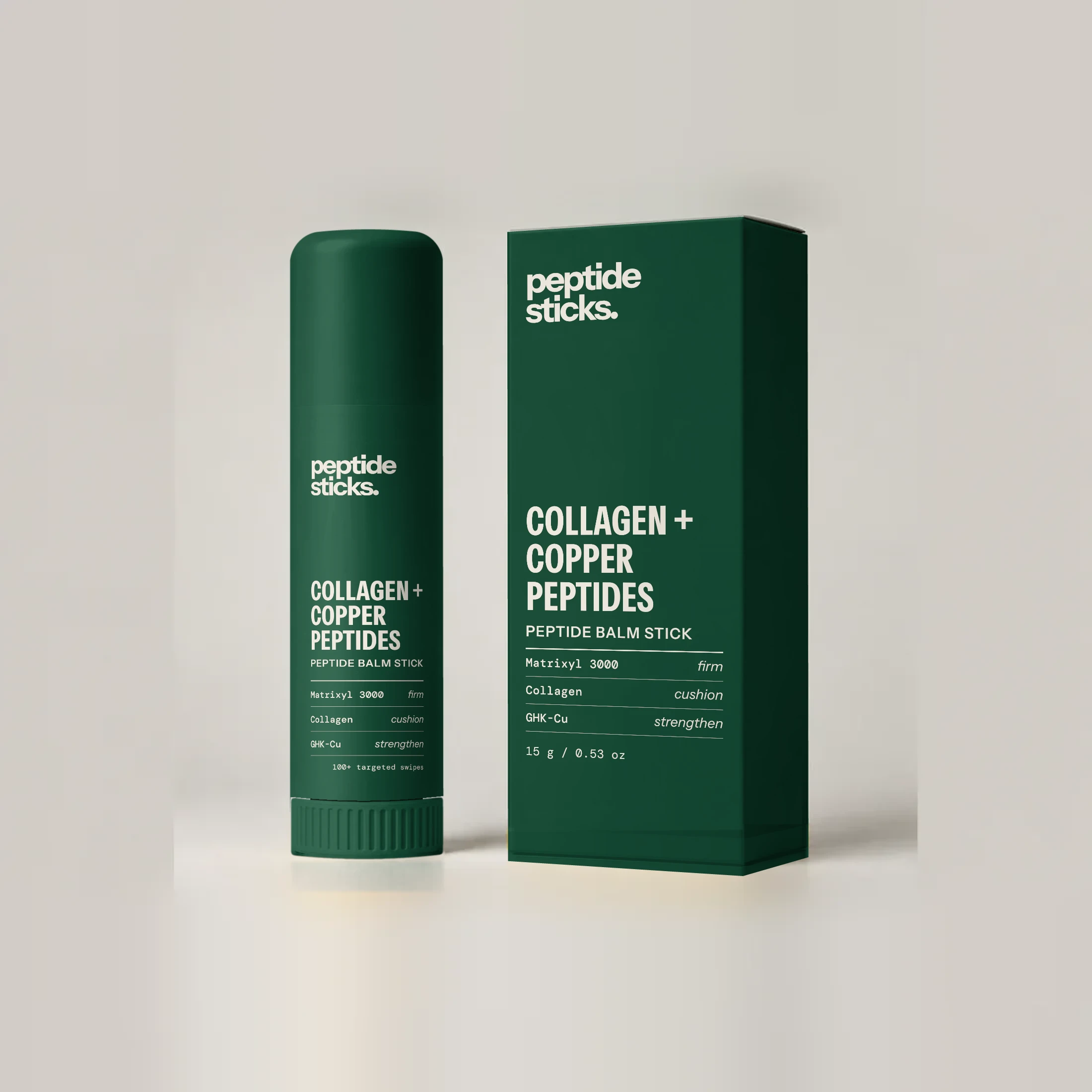
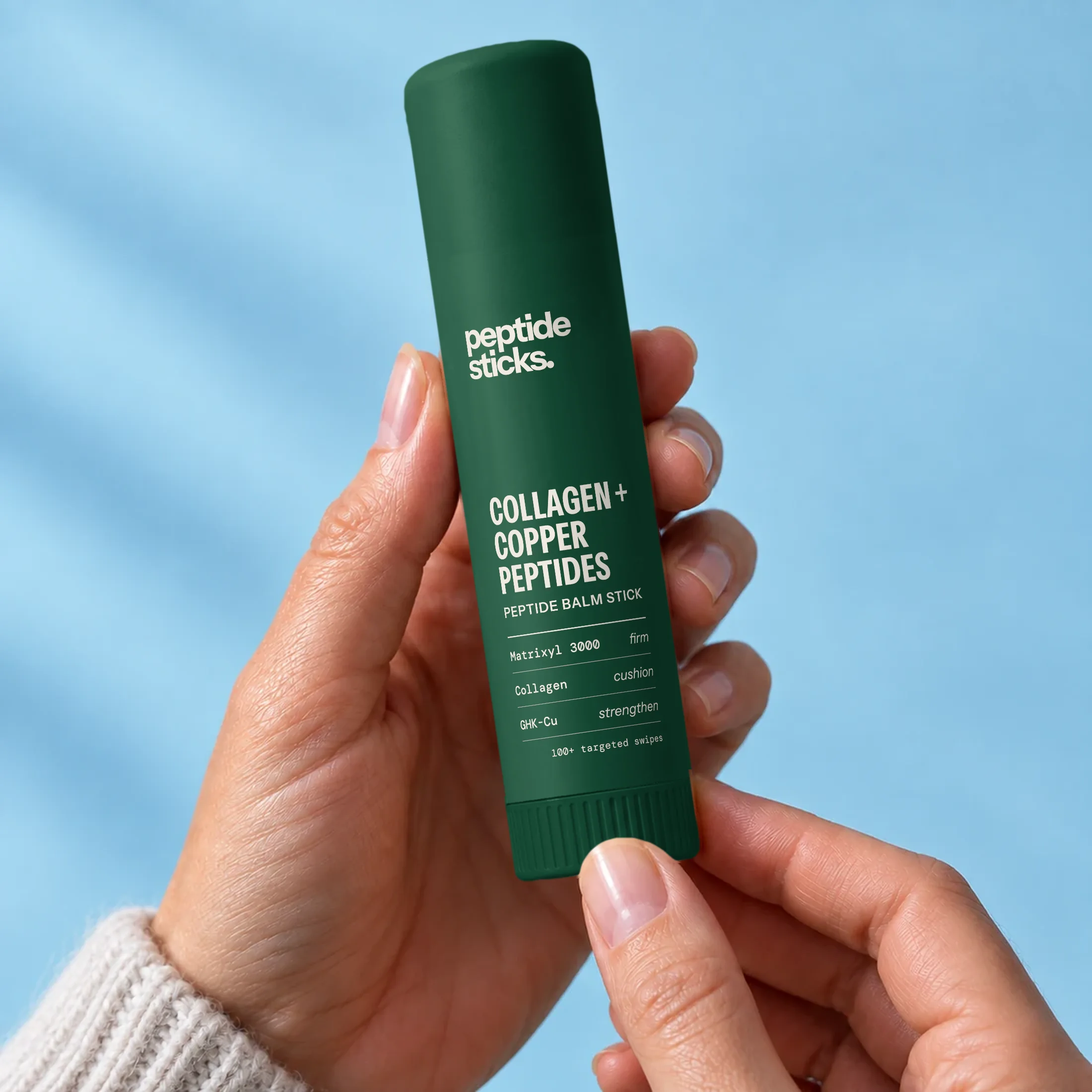
Every small hassle is a reason to skip: a dropper that drips, a jar that needs clean fingers, a product that pills under makeup. A format that takes seconds and leaves nothing on your hands makes the choice easy. That’s the thinking behind a twist-up stick, and behind our two-minute routine.
Measure it properly
Take a photo on day one in the same spot, light and angle you’ll use later. Memory is a poor judge of slow change. Check again at week four and week twelve.
The bottom line
Skincare results are slow, so make the routine small, fast and visible. One step, the same time every day, judged by photos at week twelve.