The confusion worth clearing up first
Search for peptides and you will find two very different products wearing the same word. One is a tub of collagen powder or a single-serve collagen stick you stir into coffee. The other is a serum, cream, or stick you apply to your face. Both say peptides on the label. They are not doing the same job.
This matters because the evidence, the expectations, and the way you judge results are all different depending on which one you mean. So before we answer do peptides work, we have to answer which peptides, taken which way.
Collagen supplements vs. topical peptides, plainly
Collagen supplements and collagen sticks are taken by mouth. Your digestive system breaks collagen down into amino acids and small peptides, which enter the bloodstream and get used wherever your body decides to use them. You cannot send swallowed collagen to a specific wrinkle. Some studies suggest oral collagen peptides may support skin hydration and elasticity over time, but the effect is whole-body and indirect.
Topical peptides are applied to the skin. They are not food. The goal is local: to influence the look of the skin where you put them. Depending on the peptide, that might mean acting as a messenger that nudges skin toward firmer-looking behavior, or supporting tone, comfort, or under-eye puffiness directly at the surface.
The one-line difference
Collagen you swallow is a raw material your whole body shares.
Peptides you apply are targeted signals and support placed exactly where you want the look to change.
So, do topical peptides actually work?
Here is the honest version. The peptide category is real, but it is uneven. Some peptides have meaningful published research. Some mostly have data from the companies that sell them. Some are better understood as pleasant supporting ingredients than as hero actives. The useful question is never is this a peptide, it is which peptide, and what is the evidence for that specific one.
That is why we talk about named peptides with specific jobs rather than peptides in general. A few well-known examples:
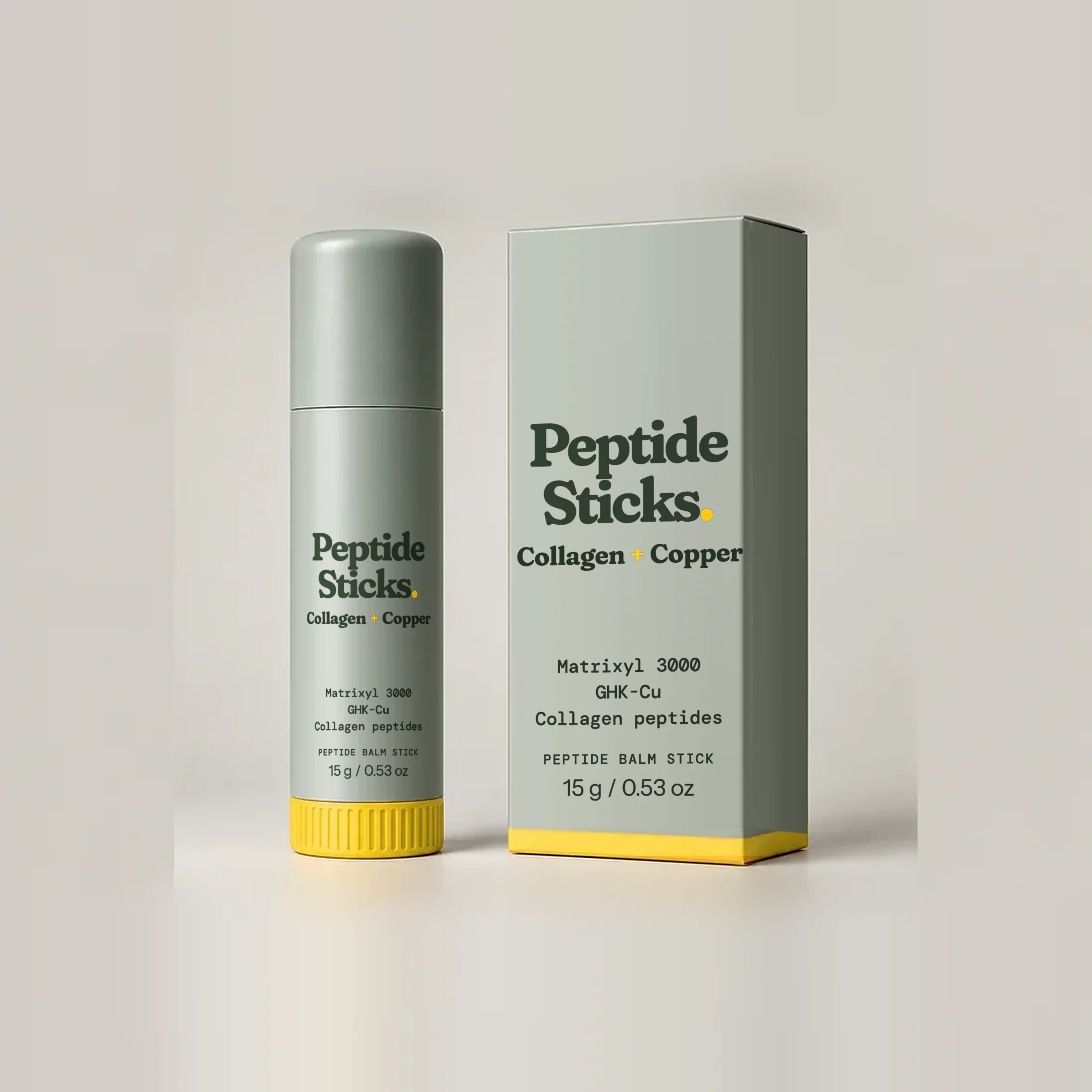
- Matrixyl 3000 is one of the more studied signal peptides for the look of firmness and fine lines.
- GHK-Cu, the copper peptide, has a long research history around skin renewal and the look of a reinforced barrier.
- Palmitoyl Tripeptide-8 is used for visible calm in reactive skin.
- Oligopeptide-68 targets the look of uneven tone.
- Acetyl Tetrapeptide-5 is aimed at the appearance of under-eye puffiness.
None of these are overnight switches. They are gradual, supportive ingredients for the appearance of skin. Used consistently, the right peptide for your concern can make a visible difference. Used once and judged on day three, it will disappoint you, and that is an expectations problem, not an ingredient problem.
What peptides will not do
We would rather set the bar honestly than oversell. Topical peptides will not give you the texture results of a well-tolerated retinoid, and they will not replace sunscreen, which remains the single highest-value step in any routine. They will not rebuild deep structural collagen overnight, and no cosmetic ingredient can. If a peptide product promises to erase wrinkles in a weekend, the promise is the problem.
If your main goal is refined texture and you tolerate retinoids, read our companion piece, peptides vs. retinol, before deciding where to spend your effort.
How to set realistic expectations
- Pick by concern, not by hype. Match the peptide to what you actually want to change: firmness, tone, calm, or puffiness.
- Give it eight to twelve weeks. Firming and tone peptides need time. Depuffing peptides can look faster because they address fluid, not structure.
- Use it consistently. A peptide used four days a week is a peptide you are not really testing.
- Judge the look, not a feeling. Take a photo on day one in the same light. Skin memory is unreliable; cameras are not.
- Keep the rest of the routine boring. Gentle cleanser, moisturizer, daily SPF. Peptides support a good routine, they do not rescue a chaotic one.
Why we put peptides in a stick
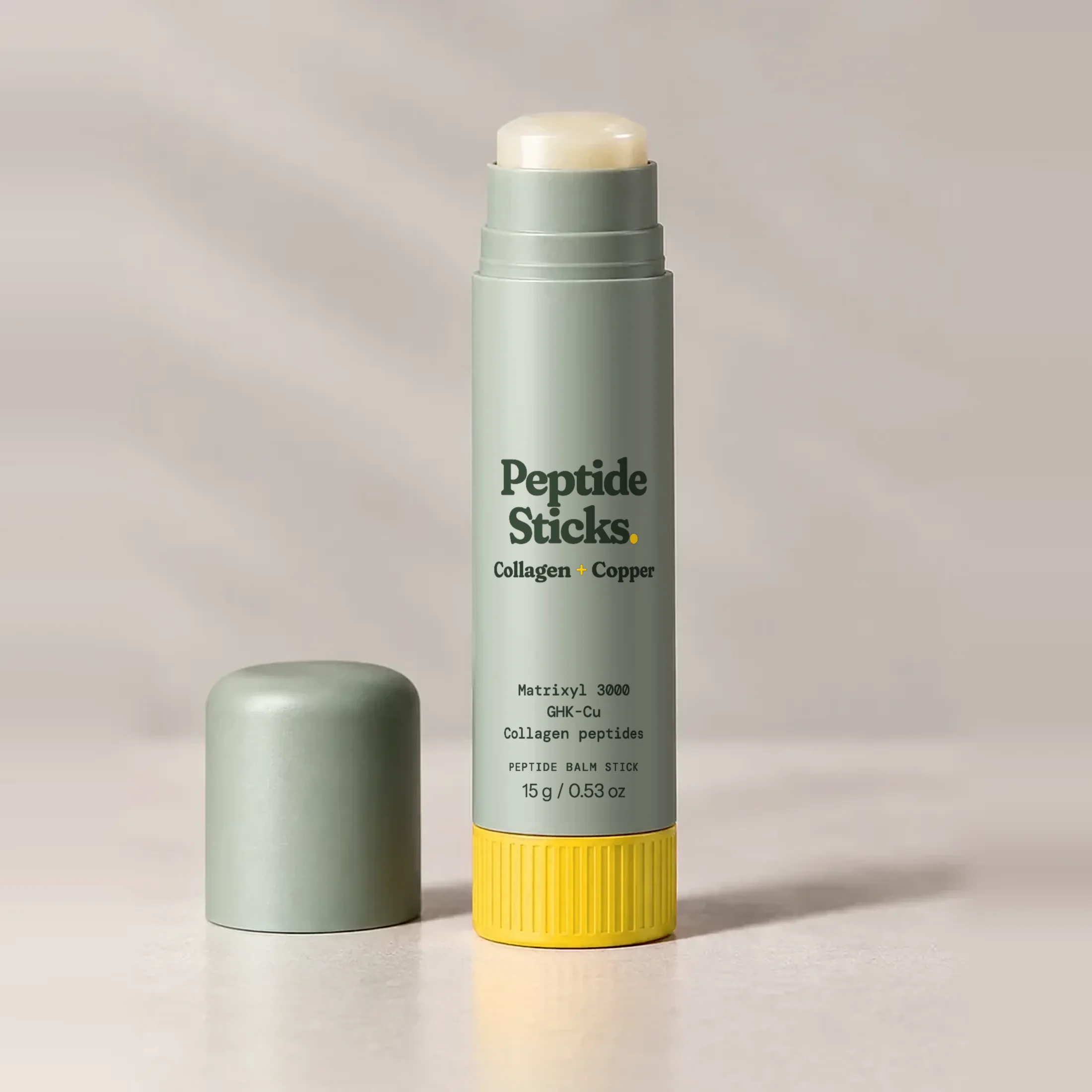
The format is part of why we think topical peptides are worth doing well. A stick is water free, which lets peptides stay stable without heavy preservative systems, and it lets you place a concentrated dose exactly where you want it, instead of spreading active thinly across skin that does not need it. For where it fits in your routine, see our guide on how to layer a targeted skincare stick.
If you only remember one thing
Collagen supplements feed your whole body. Topical peptides target the look of your skin where you apply them. Both can have a place, but they are not interchangeable, and the specific, well-studied peptide is what does the work, not the buzzword.
The bottom line
Do peptides work? Specific, well-chosen topical peptides can genuinely support the look of firmer, calmer, brighter, less puffy skin when you use them consistently over weeks. They are not the same as collagen you drink, and they are not a miracle. Treat them as a targeted, gradual support system, match the peptide to your concern, and give it real time. That is the version of peptides that earns its place on the shelf.