What actually makes a jawline look defined
A sharp jawline is mostly architecture. Four layers decide how it looks:
- Bone. The size and angle of your jaw and chin. Fixed, short of surgery or filler.
- Fat. Fat under the chin and along the lower face blurs the edge. It changes with overall body weight.
- Muscle. The chewing muscles at the back of the jaw add some width.
- Skin. Firm skin lies close over the structure beneath. Loose or sun-damaged skin softens the line.
Skincare works only on that last layer. It is also the layer that changes most with age and sun, which is why it is worth looking after.
What about jaw trainers, mewing and face workouts?
Chewing devices, tongue posture techniques and facial exercises are all over social media. Evidence that they reshape an adult jaw is limited, and overworking the jaw muscles can lead to soreness or jaw joint discomfort. Posture and camera angle do change how a jawline photographs, which explains a lot of before-and-after videos.
What skincare can do for the jaw
The skin along the jaw and neck takes plenty of sun and is often skipped in routines. Over time it loses firmness, and the edge of the jaw starts to blur. A consistent routine helps that skin look firmer and smoother, which keeps the line you already have looking crisp.
The realistic jawline routine
Morning: sunscreen, carried under the jaw and down the neck.
Night: a peptide or retinoid step swiped from chin to ear, then down the neck, then moisturizer.
Which ingredients to look for
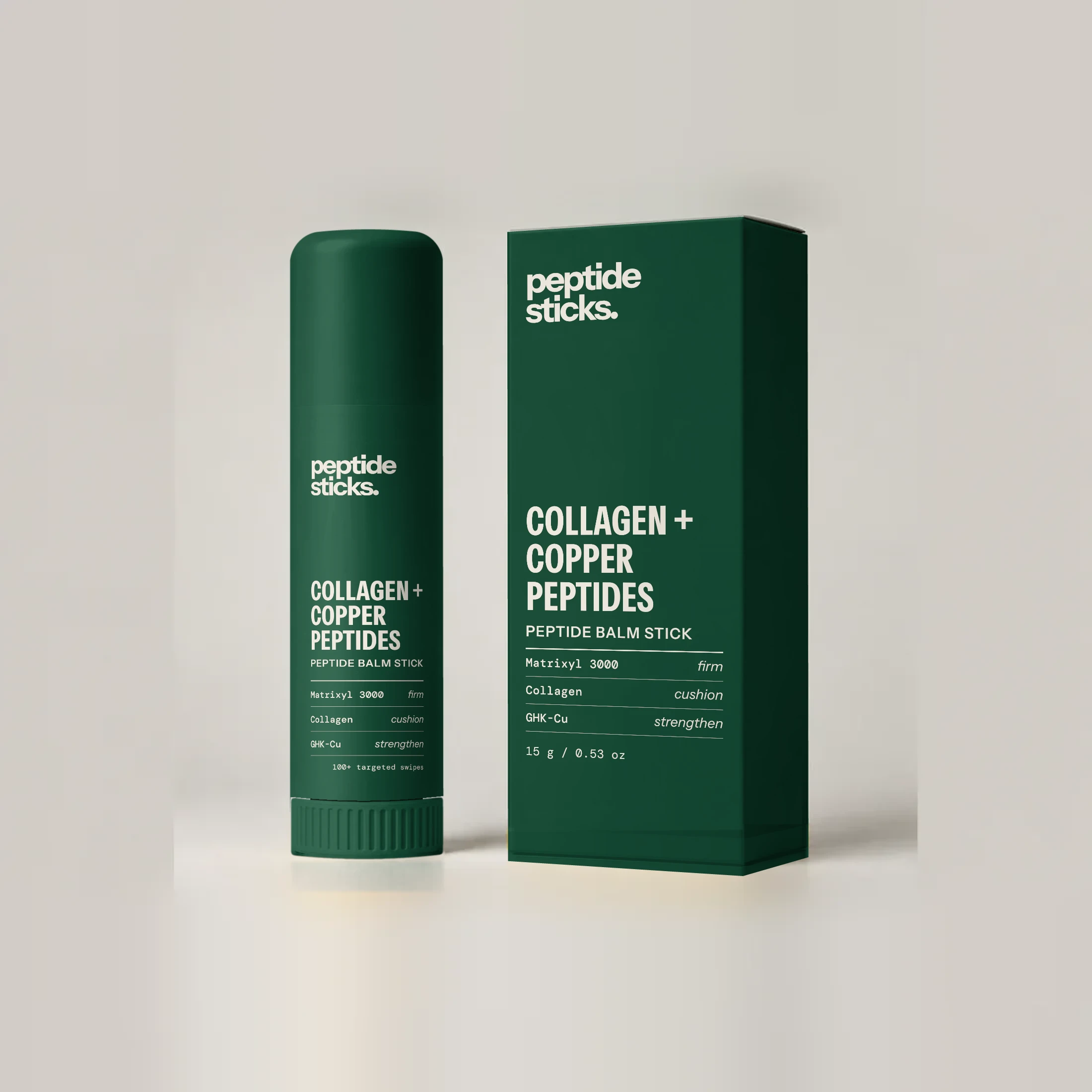
Peptides are gentle and suit daily use. Matrixyl 3000 and GHK-Cu are among the most studied for the look of firmer, smoother skin, with supplier and published studies reporting changes over 8 to 12 weeks. Those studies tested the ingredients, not any finished product. Retinoids have deep evidence for texture and fine lines but can irritate, so start slowly. Our guide to peptides vs. retinol compares them.
How to apply it
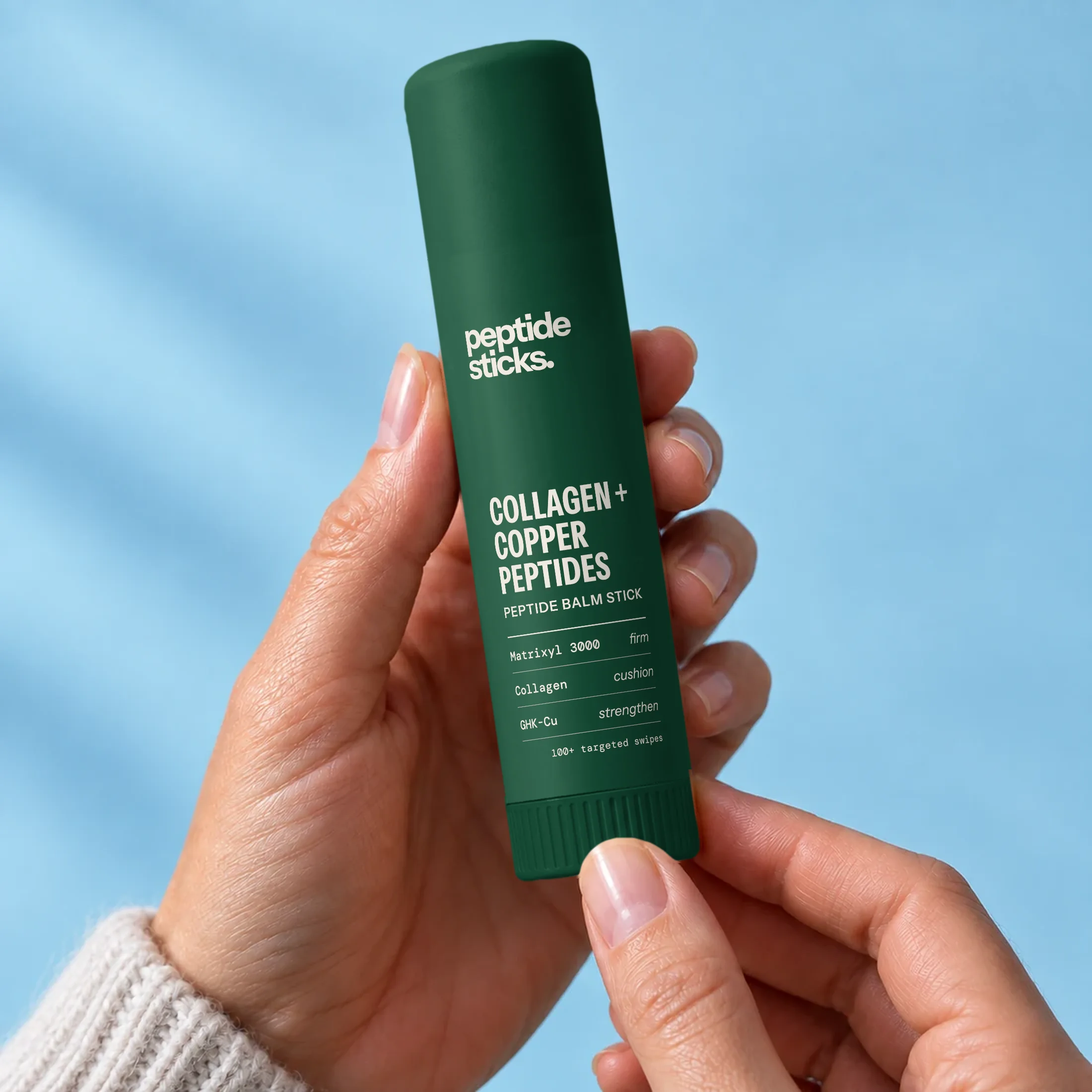
Work in one direction: from the center of the chin out toward the ear, along the underside of the jaw, then down the sides and front of the neck. Press the product in for a few seconds instead of rubbing. Never pull the skin. A twist-up stick suits this well because its edge follows the jawline and you don’t need to use your fingers at all.
When to see a professional
If you want to change the shape of your jaw itself, or reduce fullness under the chin, talk to a board-certified dermatologist or plastic surgeon. Fillers, fat-reducing injections and surgery are medical options with real trade-offs, and they are outside what skincare can do.
The bottom line
You can’t moisturize your way to new bone structure. You can protect and care for the skin that sits over it, which keeps a jawline looking sharp for longer. Make it a 30-second habit, give it 8 to 12 weeks, and judge it from photos, not memory.