What smile lines are
The fold has been part of your face since childhood: it’s where the cheek meets the area around the mouth. With age the cheek loses some volume and support, skin loses firmness, and the fold looks deeper. Fine lines gather around it, and dryness makes all of it more pronounced.
What makes them look deeper
- Volume loss. Less fullness in the mid-cheek lets the fold sit deeper.
- Sun. UV breaks down the collagen that keeps skin smooth over the fold.
- Lost firmness. Skin that’s less springy creases more easily.
- Dryness. Dehydrated skin shows every line more clearly.
What skincare can do
Skincare works on the surface: the fine lines, texture and hydration around the fold. That is still a visible change, because much of the crisp, etched look of a smile line comes from the skin over it. Hydration softens the area within days. Peptides and retinoids work more slowly on the look of smoothness and firmness.
What to look for
For hydration: glycerin and collagen peptides.
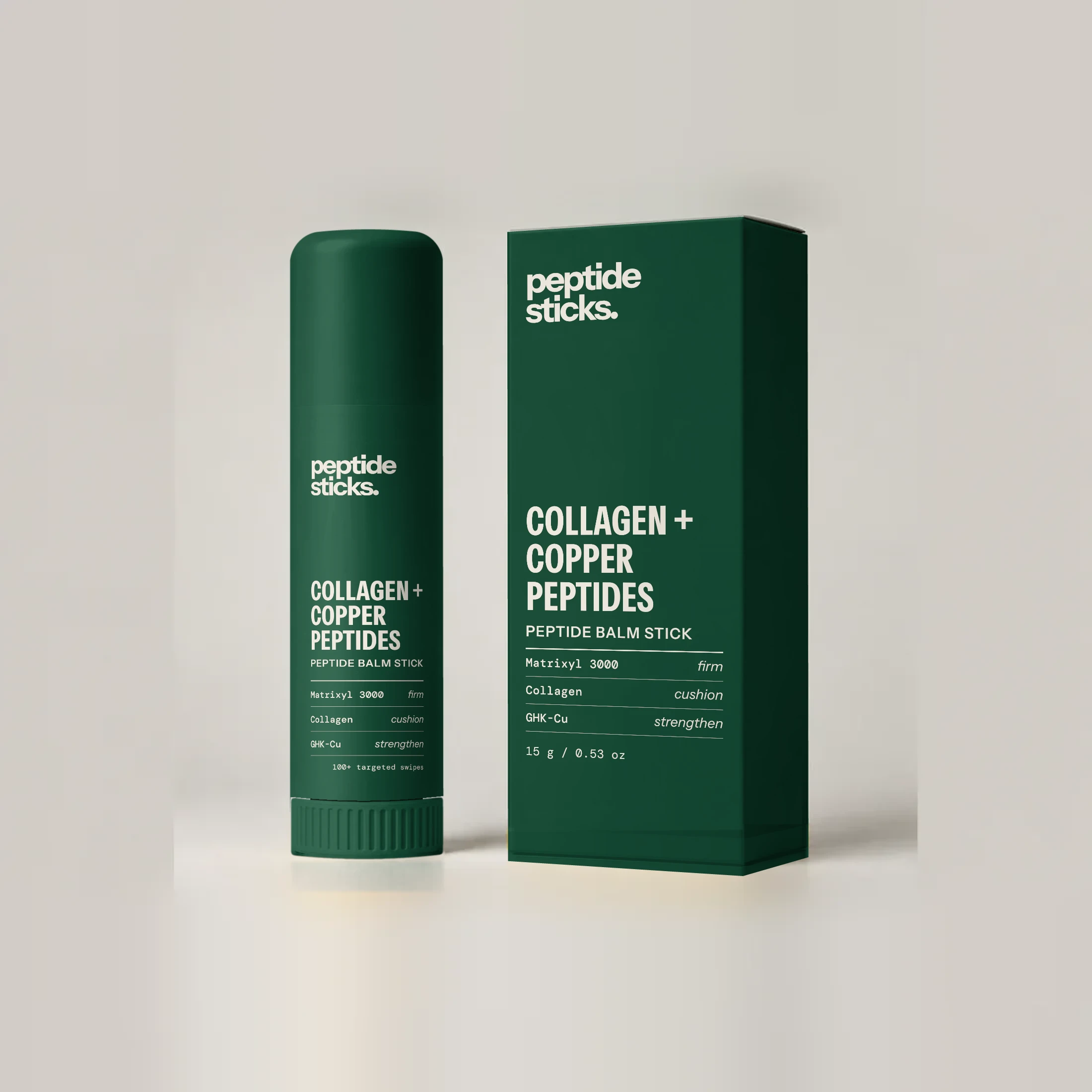
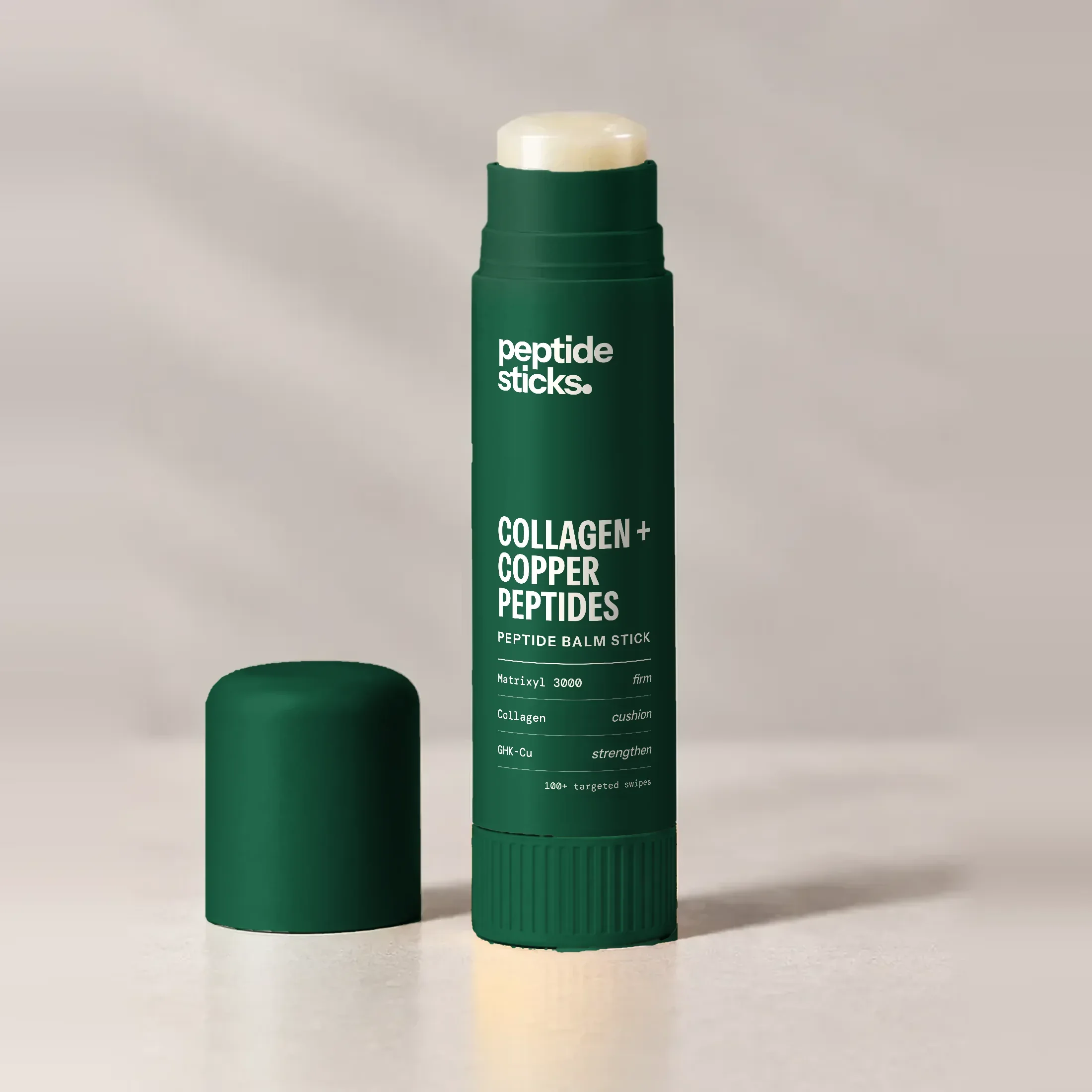
Over time: Matrixyl 3000, GHK-Cu, or a retinoid.
Every morning: SPF 30 or higher.
How to apply it
Swipe along the line once or twice, from the side of the nose down toward the corner of the mouth. Press in for a few seconds with a clean fingertip. Don’t stretch the skin flat to apply; work with your face relaxed. In the morning, follow with sunscreen across the whole cheek. For the bigger picture on ingredients, see the best peptides by concern.
When to see a dermatologist
If you want the fold itself to look shallower, fillers and other in-office treatments are the options. They’re medical decisions with real trade-offs, best made with a board-certified dermatologist.
The bottom line
Smile lines are normal, and a little softening goes a long way. Hydrate the area daily, add a peptide step, wear sunscreen, and compare photos at week twelve.